
Several Tiny Earth Partner Instructors (TEPIs) found a gap in curriculum surrounding bioprospecting: The discussion of ethics when using biological resources.
With biopiracy — the unethical use of biological materials without informed consent and fair benefit-sharing — prevalent in science, the Bioprospecting Module offers the benefit of providing knowledge and context to classrooms that don’t have much prior experience working with biological materials, such as in CUREs like Tiny Earth.
“A case-based bioprospecting ethics module for undergraduate CUREs with muti-institution evidence of student learning,” published in the Journal of Microbiology and Biology Education (JMBE), focused on incorporating bioprospecting into the Tiny Earth curriculum. The authors described this module as, “flexible, case-based curricular resources that can be implemented before students commence discovery-based research.”
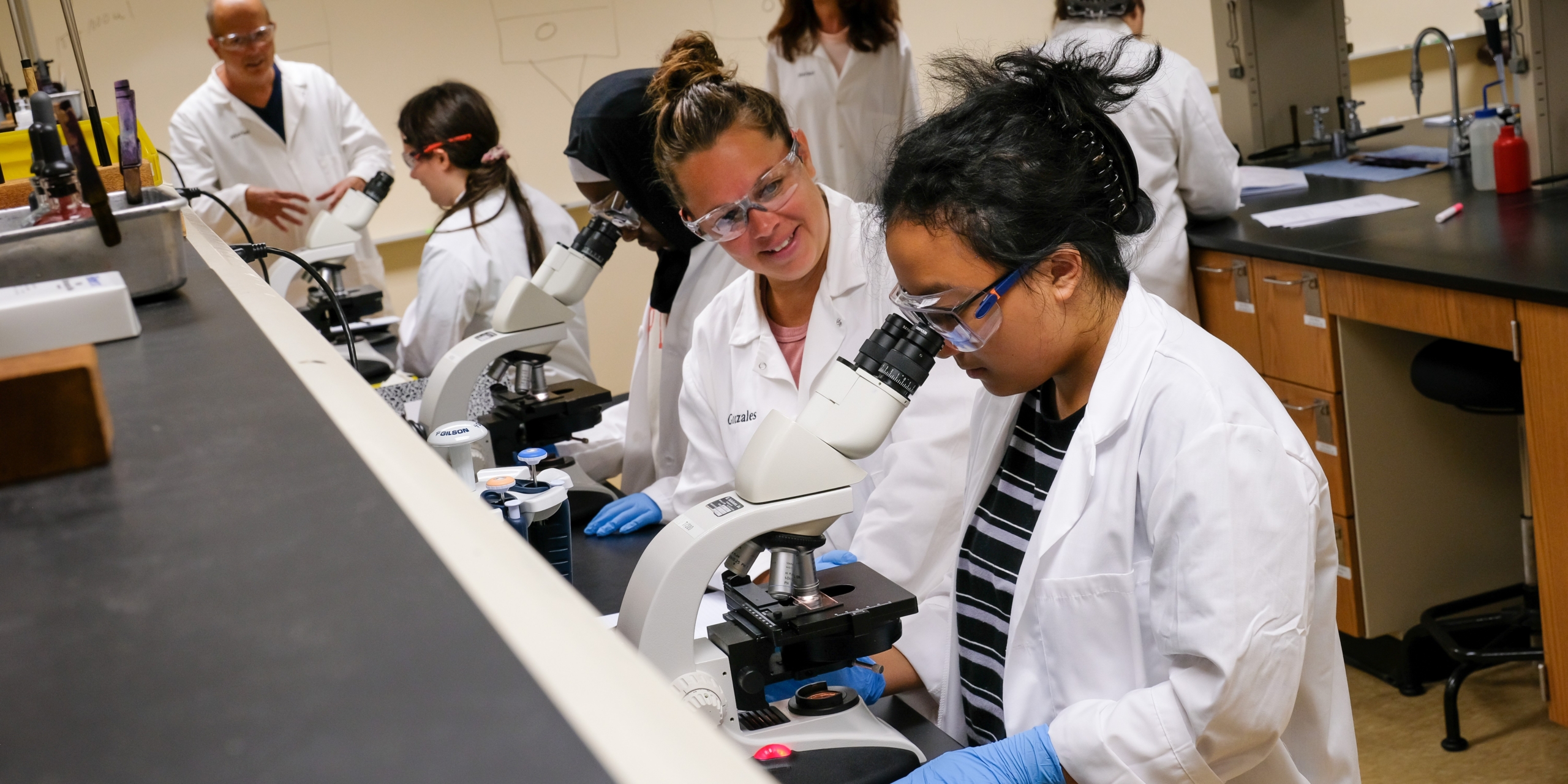
TEPI Mary Ann Smith (Penn State), who is one of the paper’s co-authors, uses the module across courses. “I’ve been really fortunate that I can implement the Bioprospecting Module within my microbiology courses, primarily for nursing majors, as well as a non-majors environmental science course,” Smith said. “Within both courses, the students work through the module before they do soil sampling and learn about soil microbe biodiversity.”
In an attempt to encourage student exploration of biodiversity in an ethical manner, the purpose of the Bioprospecting Module is to clearly explain all ethical considerations of bioprospecting and give students the necessary context and tools to determine possible research routes and consequences.
“The module lets the students see why we need to respect everyone involved in the research process, including property owners and intellectual resources,” Smith said.
Outcomes from this research paper determined that students demonstrated equitable learning gains, perceived learning gains, and positive attitudes for the Bioprospecting Module across diverse implementation and classroom contexts. TEPI Adam Kleinschmit (Dubuque University, Iowa) created the module specifically for Tiny Earth courses, but it is also adaptable for other CUREs and college courses.
“Students need to know there is a right way to do these things, and we need to take responsibility for our actions and do better,” Smith said. “These discussions help us look at the issues and try to find ways to avoid the controversies in our work.”
Other authors of this article include TEPI Enid González-Orta (California State University), TEPI Stephanie L. Mathews (North Carolina State University), and Tiny Earth Executive Director Sarah Miller (University of Wisconsin–Madison).
By Abigail Bures

Tiny Earth Communications and Media Intern
Abigail is a journalism student at the University of Wisconsin-Madison with a focus on feature storytelling and digital media content. She has written for campus media during all three years of her time at UW-Madison and has built skills in storytelling, content strategy, and audience engagement. At Tiny Earth, she works to distill information into accurate and accessible narratives to support science communication and network knowledge.